
Made in USA News Fridays, Episode 1, aired August 28, 2026. This summary is based on automatic YouTube captions, which can misspell names and drop words. The YouTube title refers to “700m Metric Tons of Imported Beef”; in the episode the hosts discussed imported beef in the hundreds of millions of pounds, including a reference to 700 million pounds.
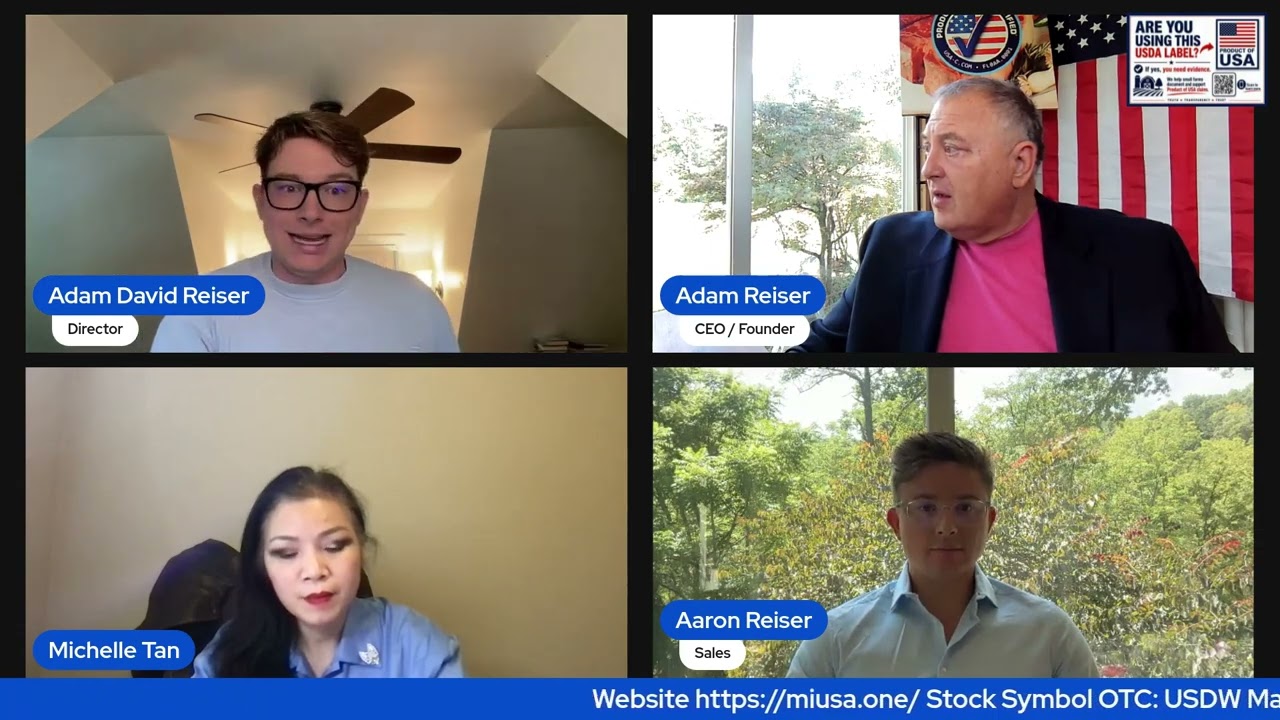
The first Made in USA News Fridays episode was a new weekly format: a current-events show for people who, the hosts said, cannot keep up with everything happening in food, labeling, and manufacturing unless they already live in it. Michelle Tan, Aaron, and Adam opened on beef — beef, they said, whose origin, handling, and even identity a shopper cannot actually prove.
The lead concern was a large authorized import of beef into the United States. The hosts said Americans would not know where that beef came from, who touched it, or whether it was mixed at the plant. They also mentioned other food-safety stories from the week, including a ravioli recall, illness tied to sprouts, issues with jalapeños, and beef they said Florida had rejected, with a further reference to a rejection involving China and Argentina. The argument was not only that imports are happening. It was that there is no package-level evidence behind the claims shoppers think they are getting when they see a USDA mark.
Mandatory country-of-origin labeling, or MCOOL, was the policy backdrop. Adam said the original MCOOL fight went back years, that large food interests got it removed, and that a new MCOOL effort was back in the farm bill, with no guarantee it would pass. He also asked whether people should simply trust the government to police origin, quoting the old Reagan joke about being from the government and being here to help. Later in the show the hosts said that bringing mandatory country-of-origin labeling back is better than having no origin requirement at all, but that a government label is still not the same thing as independent evidence. They pointed to an example of chicken they said had carried a USDA process claim it should not have, and they argued for a non-governmental review of those claims. They also discussed farm losses they attributed to the earlier repeal of MCOOL, including figures on disappearing farms and acreage; those numbers were spoken on the show and should be checked against official data.
There was also a news item the hosts treated as a possible opening for independent processors. They played or quoted remarks about breaking a concentrated packing industry — they said four major processors handle about 85 percent of the beef, with much of the ownership outside the United States — and about authorizing a path for farmers and ranchers to process their own food. The hosts said that could send cattle back to local butchers instead of a handful of plants, but that those local plants would still need a vetting process so not every operator cuts corners.
The closer was the show’s working slogan, “trust but certify,” and a direct appeal to shoppers, schools, and producers who already carry a Made in USA or Product of USA seal. The hosts said Made in USA News has been making this case for years, that they keep a directory of certified products, and that Friday would now be the weekly current-events companion to Made in USA Mondays. They asked viewers to follow, share, and demand better evidence on the label.
For the MCOOL history behind this episode, see Cir 2015: Washington folded under WTO pressure with the mCOOL law. For the Product of USA standard the hosts said shoppers should look for, see USDA Closes Loophole with Strict Product of USA Origin Labeling Rule and, later, National Beef Adopts the USDA Product of USA Label.
Key takeaways
- This was the first Made in USA News Fridays episode, a weekly news format meant to sit alongside Made in USA Mondays.
- The lead story was a large volume of imported beef entering the United States without, the hosts said, a way for shoppers to know origin, handling, or whether it was mixed with USA product.
- The panel discussed other recalls and rejections from the week, including ravioli, sprouts, jalapeños, and a shipment they said had been rejected.
- They argued that bringing back mandatory country-of-origin labeling matters, but that a government mark is not a substitute for independent, package-level evidence.
- They also discussed concentration in beef packing and a proposed path for farmers and ranchers to process their own food, with verification still needed at the local plant.
Notable quotes
We don’t know where the beef is coming from.
Made in USA News Fridays Ep. 1, about 2:39, automatic captions
If you look at a product and it actually says made USA or product of USA, and there’s no evidence behind it, we’re going to start saying that’s a [problem].
Made in USA News Fridays Ep. 1, about 21:04, automatic captions
The solution is not just mandatory country of origin labeling, but it’s raising that standard.
Made in USA News Fridays Ep. 1, about 42:30, automatic captions
FAQ
What is Made in USA News Fridays?
A weekly current-events show from the Made in USA Inc. team, launched in this episode, covering food origin, recalls, manufacturing, and labeling news from the week.
Did the hosts say 700 million metric tons of beef were being imported?
The published YouTube title uses “700m Metric Tons.” In the episode itself, the hosts discussed imported beef in the hundreds of millions of pounds, including a reference to 700 million pounds. That is the figure supported by the captions. Official trade data should be checked for the exact volume.
What did they want shoppers to do?
Demand evidence behind a Made in USA or Product of USA claim, look for certified products, and not treat a USDA mark alone as proof of origin.
Source & credit
Episode: Made in USA News Friday Ep. 1 — 700m Metric Tons of Imported Beef | 8.28.26, on YouTube @madeinusainc.
No matching X post was found on @REISERIAM for this episode.
Summary prepared from automatic YouTube captions. Quotes are approximate and may reflect caption errors.