
Tariffs on imported parts and materials could raise costs for most USA manufacturing industries by about 2% to 4.5%, according to an analysis by the Washington Center for Equitable Growth released July 29, 2025, the Associated Press reported.
What the analysis found
Researcher Chris Bangert-Drowns found manufacturing is more exposed to tariffs on intermediate inputs than other industries. Of the 25 subsectors most affected, 19 are in manufacturing. He told the AP the costs could lead to a “cash squeeze,” and possibly to stagnant wages, layoffs or plant closures, for factories with thin margins.
One USA maker’s math
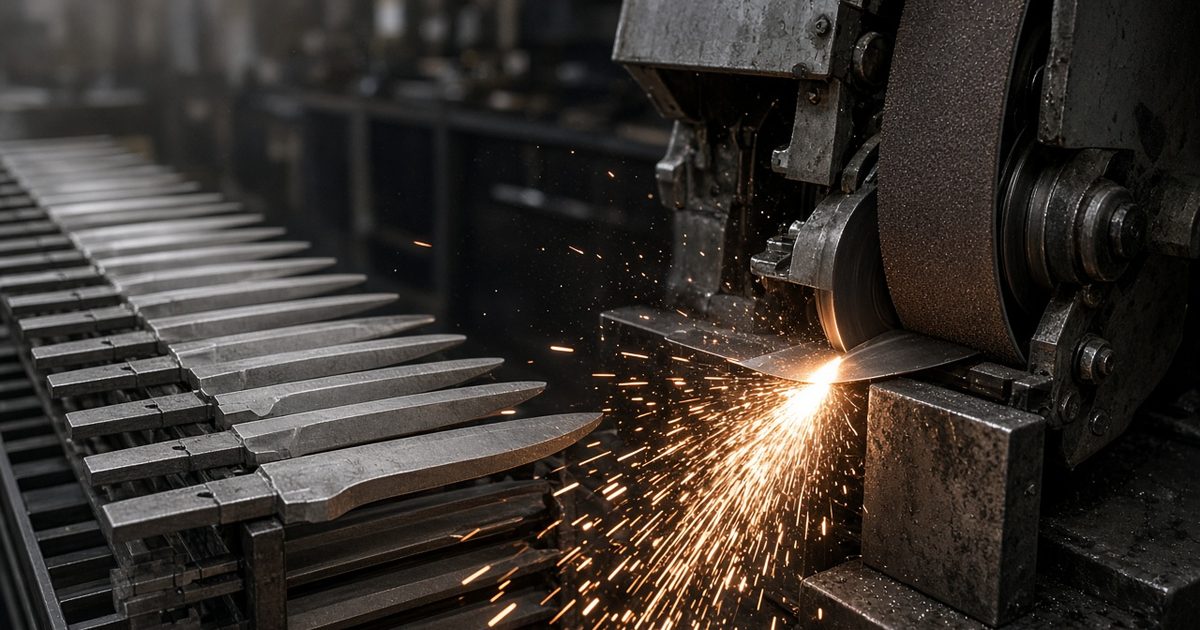
The AP spoke with Josh Smith, founder of Montana Knife Co., who called himself a Trump voter. He had ordered a $515,000 blade-grinding machine from Germany. At the 15% rate set under the EU trade framework, the tariff comes to $77,250, which Smith said is about the cost of an entry-level worker. He would buy a USA-made machine, but none exists.
“There’s only two companies in the world that make them, and they’re both in Germany.”
Josh Smith, Montana Knife Co., to the AP
Smith also lost his domestic steel source when Crucible Industries in Syracuse, New York, went bankrupt and its new Swedish owner moved production to Sweden. That steel faces a 50% duty starting in 2026. In Michigan, Jordan Manufacturing president Justin Johnson said domestic steel prices rose 5% to 10% even though the company buys no foreign steel. White House spokesman Kush Desai told the AP the administration expects the label “to resume its global dominance.”
Why it matters for Made in USA
Making something in the USA often still depends on imported machines and materials. Tariffs meant to protect domestic makers can raise their costs when the tools or inputs are not available at home.
For origin claims, the knife maker’s steel shows the stakes. Under the FTC standard, a significant imported input such as blade steel can make an unqualified Made in USA claim harder to support. Imported factory equipment, on the other hand, is not part of the product and does not affect the claim. The loss of a domestic steel supplier is a reminder that keeping a claim valid depends on the whole supply chain.
FAQ
How much could tariffs raise USA factory costs?
Equitable Growth’s analysis estimated about 2% to 4.5% for most manufacturing industries.
Does imported factory equipment affect a Made in USA claim?
No. The FTC looks at the product’s parts, processing and materials, not the machines used to make it.
Does imported steel affect a knife’s Made in USA claim?
It can. Steel is a significant input of a knife, so imported steel can make an unqualified claim hard to support.
Source & credit
Originally reported by The Associated Press (Josh Boak and Paul Wiseman) on July 29, 2025: Trump’s tariffs could squeeze US factories and boost costs by up to 4.5%, a new analysis finds. Also published by Fortune.
Analysis: Washington Center for Equitable Growth, July 29, 2025: Tariffs impact U.S. industries differently, with manufacturing the most exposed