
Made in USA Mondays, Episode 6, aired September 14, 2026. This summary is based on automatic YouTube captions, which can misspell names and drop words.
The episode was also shared on X at @REISERIAM.
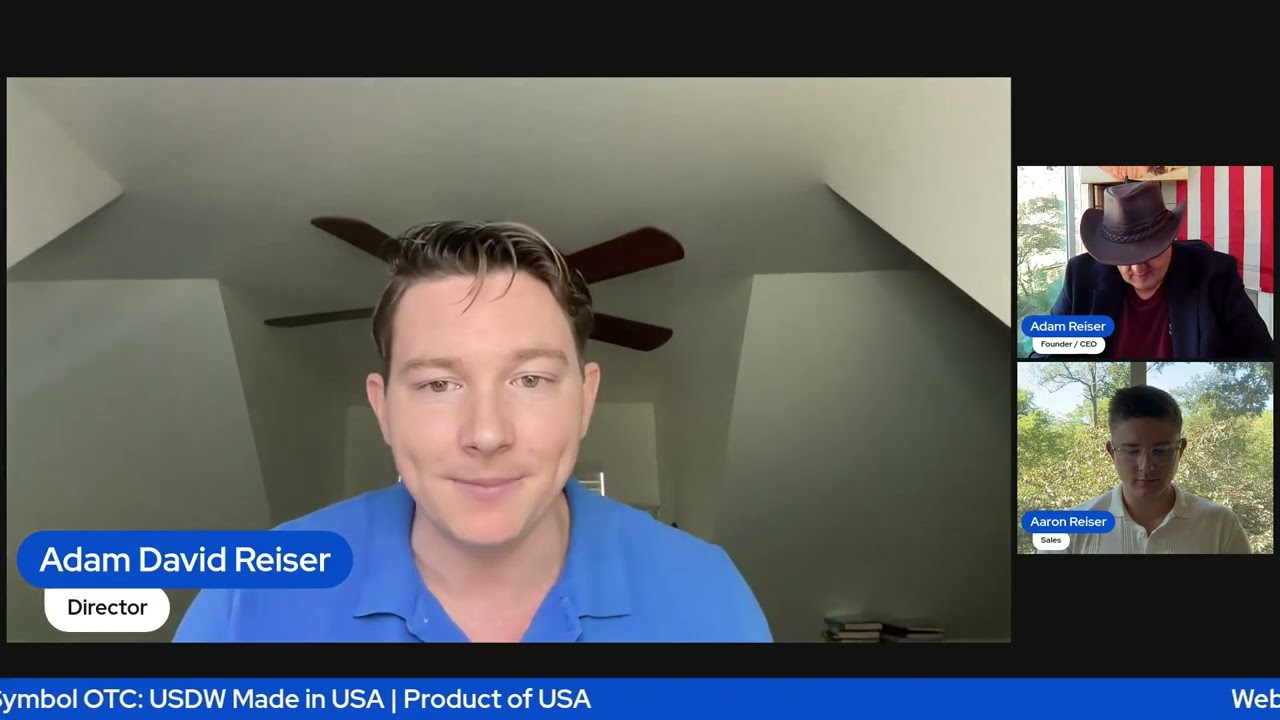
Made in USA Mondays Episode 6, aired September 14, 2026, was built around a single contrast: a claim versus proof. Hosts the captions identify as Aaron and Adam Reiser, the company’s CEO and founder, said anyone can put a sticker on a package, and the show would walk through the documents, audits, and digital records that turn that sticker into something you can stand behind. Adam had just come back from a Storm Summit in Las Vegas, and they were also promoting talks at UNGA Blockchain Week in New York, at the Hard Rock Hotel on Broadway, on Thursday afternoon and Friday evening.
Adam was blunt about imported beef and about family farms. He said US farmers need track-and-trace, that the company has waived audit fees for a first wave of farms, and that a producer still has only 24 hours to produce already-organized documents if USDA or FSIS questions a claim. Aaron tied that to a figure the hosts often cite: that a large majority of shoppers, they said 75 percent, would rather buy a product with a US flag when two items look the same. The difference, they argued, is whether the flag is backed by proof. They also returned to the company’s 2014 FTC experience, saying the Commission looked at other Made in USA certification programs and later incorporated elements of their process into its own vetting.
The longest case study was Royal Building Products. Adam said the company got an FTC audit call after Made in USA Inc. itself had been through a country-of-origin inspection. In the hosts’ telling, an FTC staffer the captions name as Julia saw the certification documents, reached a person the captions identify as Alisa or Elise who signed the seals, confirmed the account was current, and closed it out with, in Adam’s phrase, "nothing to see here." The point they wanted listeners to take was not the brand name alone, but that a complete file can end an inquiry before it becomes an enforcement action.
They spent the back half of the show on meat labels. Aaron described looking at ground beef that carried a USDA inspection mark, assuming it might be Product of USA, and realizing the package did not actually tell him where the cattle came from. "It should actually say USDA inspected but not verified," he said later. They cited a new import allotment of lean beef trimmings — 840 million pounds authorized, with 34.5 million pounds already in on the first tranche, according to the captions — and they reminded listeners that mandatory country-of-origin labeling for beef and pork is still not in force. A Product of USA claim, they said, is voluntary, but if a producer uses it, the paperwork has to be ready, and smaller farms are the ones most exposed to fines if it is not.
They closed on the same theme they opened with. A Made in USA or Product of USA claim on a package can be a sticker, or it can be a file you can produce. For a company they say has been doing this work for more than 20 years, that is the show: proof, not just a claim.
Key takeaways
- The episode’s frame is that a Made in USA or Product of USA claim is only as strong as the documents, audits, and digital records behind it.
- The hosts said farmers have 24 hours to produce already-prepared origin files if USDA or FSIS asks, and they described waived or reduced audit fees for an early group of farms.
- A Royal Building Products story was used to show how, in the hosts’ account, an FTC inquiry ended quickly because the certification file was already in order.
- They argued a USDA inspection mark is not verified origin, and they cited 840 million pounds of lean beef trimmings authorized for import, with 34.5 million pounds already entered.
- They said mandatory country-of-origin labeling for beef and pork remains off the books, so a Product of USA claim is still voluntary — and still has to be provable if it is used.
Notable quotes
I took a step back and I said, "Holy smokes, we are grinding up [steaks], but we have no idea where these [steaks] are coming from."
Made in USA Mondays Ep. 6, about 50:37, automatic captions
It should actually say USDA inspected but not verified. Truthfully, it’s what the seal should be redone. Because guess what? It’s USDA inspected beef, but it’s not verified.
Made in USA Mondays Ep. 6, about 1:12:24, automatic captions
There’s a difference between a claim and a proof. And when you see a made in USA or product USA claim, are you really looking at just a sticker or something that maybe somebody is trying to prove to you?
Made in USA Mondays Ep. 6, about 1:24:57, automatic captions
FAQ
What does "proof vs claim" mean in this episode?
The hosts argued that anyone can put a Made in USA or Product of USA sticker on a package. Proof, as they described it, is the audit trail — documents, supplier records, and certification — that can be produced if USDA, FSIS, or the FTC asks.
What did they say about USDA-inspected beef?
They said a USDA inspection mark means the product went through an inspected plant, not that the cattle were born, raised, slaughtered, and processed in the United States. One host said the mark should read as inspected, not verified.
Where can I watch Episode 6?
The full episode is on YouTube at youtube.com/watch?v=EwNSkiyvJEw. A post about the episode is on X at @REISERIAM.
Related reading
- FTC Made in USA enforcement and certification in 2026
- USDA closes the Product of USA labeling loophole
- How mandatory country-of-origin labeling was rolled back
- What Product of USA beef means now
- Made in USA News Fridays Ep. 1: imported beef
Source & credit
Episode: Made in USA Mondays Ep. 6 — Proof vs Claim, on YouTube @madeinusainc.
X post: @REISERIAM, September 14, 2026.
Summary prepared from automatic YouTube captions. Quotes are approximate and may reflect caption errors.