

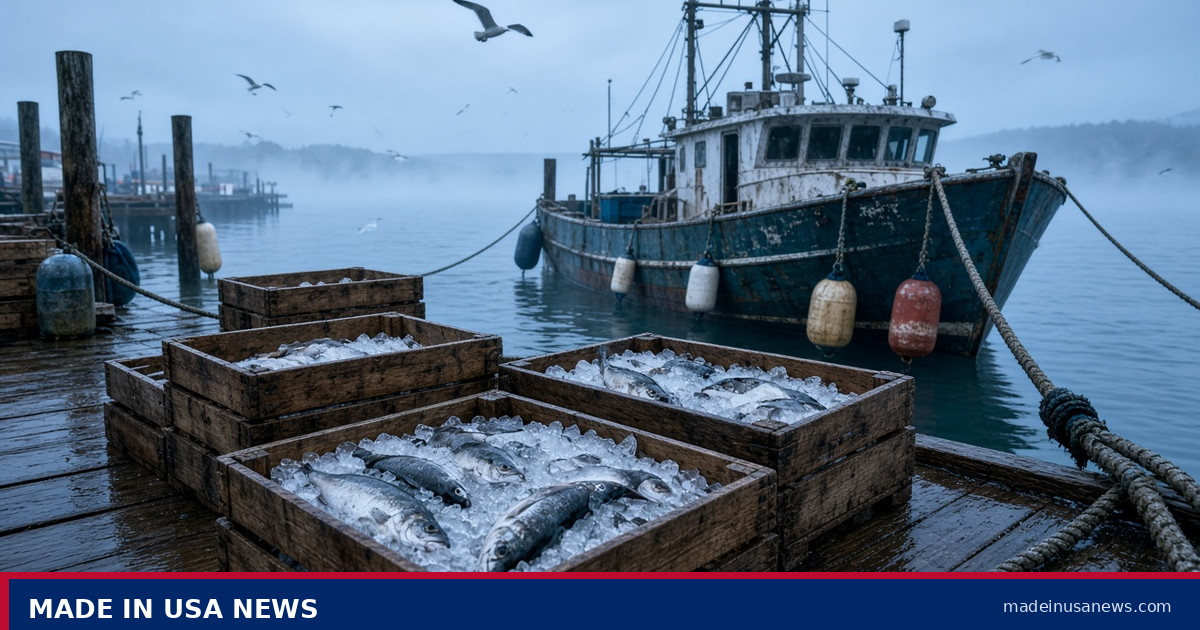
On October 27, 2026, the U.S. Food and Drug Administration released draft guidance titled “U.S.-Origin Statements on Seafood,” along with a Federal Register notice. The draft gives the seafood industry examples of USA origin claims that FDA would consider truthful and not misleading, and FDA is taking public comments until December 28, 2026.
What the draft guidance says
Meat and poultry already have a strict USDA standard for “Product of USA.” Seafood is harder, because it is not always possible to know where a wild fish was spawned or where it lived. FDA’s draft offers example claims instead, each tied to specific facts:
- “U.S.-Caught”: wild seafood caught in USA waters, including the exclusive economic zone, or caught by USA-flagged vessels operating under USA jurisdiction.
- “U.S. Farm-Raised”: seafood raised in aquaculture facilities in the USA, even if it is exported for processing.
- “Processed in the United States”: seafood caught or farmed outside the USA but processed entirely in the USA.
- “USA Seafood”: USA-caught seafood, or USA-spawned and farm-raised seafood, that is harvested, processed in its entirety and sold in the USA.
- “Made with U.S. Seafood”: products such as fish sticks or shrimp scampi in which all of the seafood meets the “USA Seafood” test.
The draft also says flag images can signal USA origin but should come with a qualifying statement where needed, and that companies should be able to back up any origin claim with records. It is nonbinding and does not cover state or local claims.
Why it matters for Made in USA
Seafood has long been one of the murkiest places in the grocery store for origin claims. This draft does something honest shoppers have asked for: it separates “caught or raised in the USA” from “processed in the USA.” Imported fish that is only filleted or breaded here gets a qualified claim, not a blanket USA label.
The weak spot is the fine print. “Processed in the United States” next to a big flag could still lead a shopper to believe the fish came from USA waters. Consumers, fishermen and processors who care about honest labels should tell FDA during the comment period that qualifiers need to be just as prominent as the flag. USA fishermen and fish farmers should not have to compete with imports dressed up in red, white and blue.
FAQ
Is FDA’s seafood origin guidance a legal requirement?
No. It is draft guidance that reflects FDA’s current thinking. Origin claims still have to be truthful and not misleading under existing law.
What is the difference between “USA Seafood” and “Processed in the United States”?
“USA Seafood” is for fish caught by USA vessels or spawned and farmed in the USA, then fully processed and sold here. “Processed in the United States” can apply to imported fish that was only processed in the USA.
How can I comment?
Comments are due December 28, 2026 through the docket listed in FDA’s Federal Register notice at regulations.gov.
Source & credit
Originally published by the U.S. Food and Drug Administration on October 27, 2026: Draft Guidance for Industry: U.S.-Origin Statements on Seafood
Federal Register notice, October 27, 2026: U.S.-Origin Statements on Seafood; Draft Guidance for Industry; Availability
Flagged for small businesses by the SBA Office of Advocacy on November 2, 2026: FDA Seeks Comment on Draft “U.S. Origin” Labeling Guidance for Seafood