


History reminds us that power is rarely decided on the battlefield alone. More often, it is determined earlier by who controls the inputs that make systems work.
In the early 20th century, that input was energy.
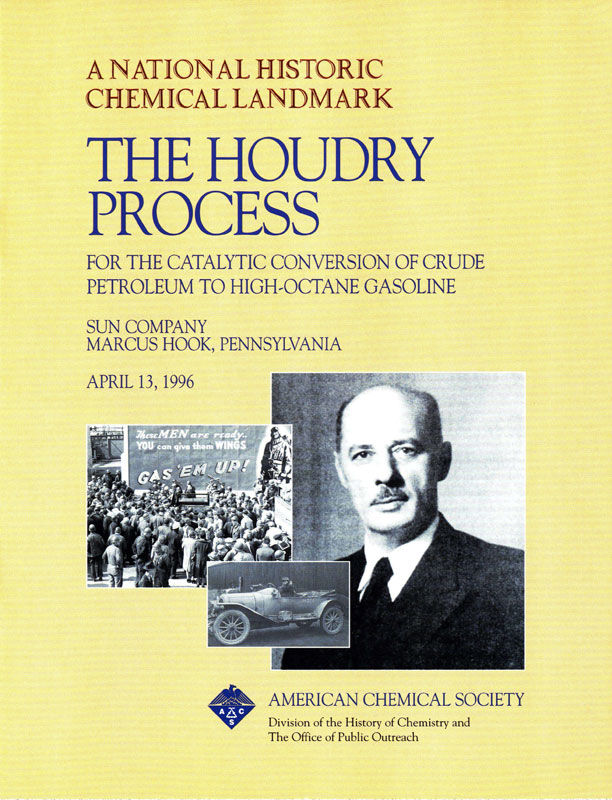
One of the most overlooked figures of World War II, Eugene Houdry, understood this before most governments did. His work on high-octane fuel helped determine the outcome of the war long before the first aerial dogfight over Britain. Today, the same lesson applies—but the critical input has changed.
Energy still matters. But data now matters just as much.
And where that data comes from—how it is verified, stored, and trusted—has become a national and economic issue.
How Energy Won the 20th Century
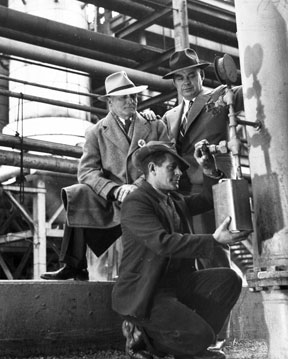
Houdry’s breakthrough in catalytic cracking allowed the United States to produce clean, high-octane fuel at scale. That fuel-powered Allied aircraft enabled industrial logistics, and underpinned America’s unmatched manufacturing output—from refineries to Liberty Ships.
The formula was simple and decisive:
**Superior energy
- Verified processes
- Domestic industrial scale**
That formula didn’t just win World War II. It built the American century that followed.
The United States didn’t merely invent technologies—it manufactured them at home, verified their quality, and scaled them faster than any rival. Energy abundance made that possible.
The Parallel Moment We Face Toda
We are now living through a similar inflection point.
Artificial intelligence, autonomous systems, advanced manufacturing, and global digital trade are redefining economic power. Yet these systems no longer run primarily on oil or electricity alone.
They run on data.
But just like fuel in the 1930s, not all data is created equal.
Poor-quality data destabilizes systems. Unverified data introduces risk. Synthetic or manipulated data can corrupt AI models, distort markets, and undermine trust at scale.
In modern systems, bad data “knocks” the engine just as surely as bad gasoline once did.
Data Is the New Strategic Resource
Today’s competitive advantage does not come from having the most data—but from having trusted, real-world, auditable data.
That is why data must now be treated as infrastructure.
Just as America once built refineries to turn crude oil into usable fuel, it must now build systems that turn raw information into verified digital truth.
This is where Data Wallet™ technology becomes essential.
What a Data Wallet™ Does
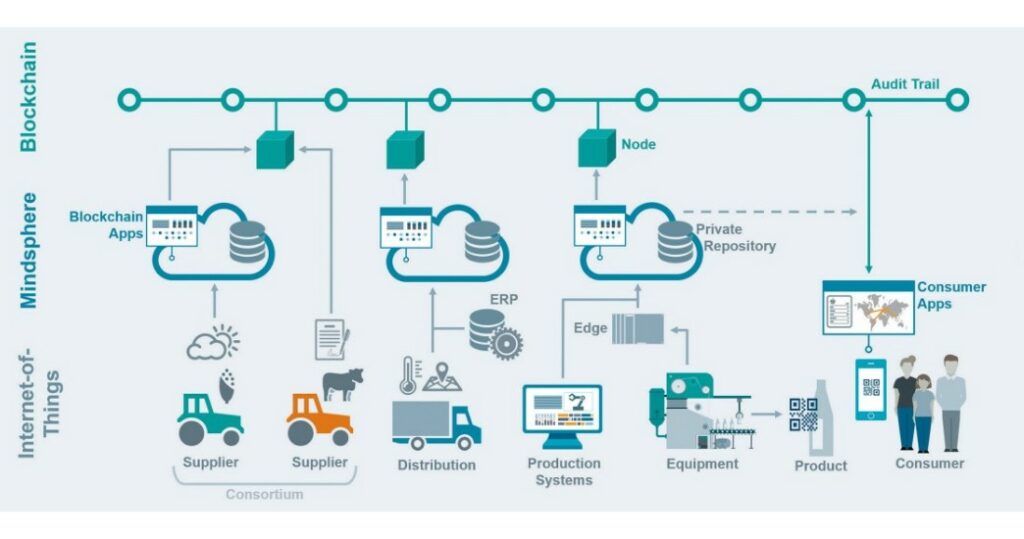
A Data Wallet™ acts as a secure digital container for real-world information. It ties data to verified origin, ownership, and history—creating a permanent, auditable record that can be trusted by businesses, regulators, AI systems, and consumers.
In practical terms, a Data Wallet™:
- Anchors data to real-world assets, products, or processes
- Preserves provenance, integrity, and chain of custody
- Enables compliance, certification, and transparency
- Protects data sovereignty while allowing controlled access
This is not abstract technology. It is industrial infrastructure for the digital age.
Why “Made in USA” Matters More Than Ever
In a world of fragmented supply chains and digital manipulation, verification is the new value proposition.
When products, data, and digital records are produced and verified domestically—using auditable systems like Data Wallet™ technology—they inherit the same credibility that once came from American steel, American energy, and American manufacturing.
Just as Houdry’s fuel unlocked engine performance, verified data unlocks intelligent systems.
And just as America once led by mastering energy production, it can lead again by mastering data provenance and digital trust.
The New Industrial Imperative
Every era has its critical input.
- The 19th century ran on coal.
- The 20th century ran on oil and electricity.
- The 21st century runs on data.
But data without verification is noise.
Data without provenance is a risk.
Data without trust cannot scale.
The nations and companies that lead this century will be those that treat data the way America once treated energy: as something to be produced, refined, secured, and verified at home.
Conclusion: Building the Next American Advantage
History does not repeat—but it rhymes.
The same principles that powered American victory in the past—domestic capability, industrial scale, and trusted inputs—are required again today.
Only now is the refinery digital.
The fuel is data.
And the strategic advantage lies in Data Wallet™ technology built on Made-in-USA values.
America has done this before.
The question is whether it chooses to do it again.