

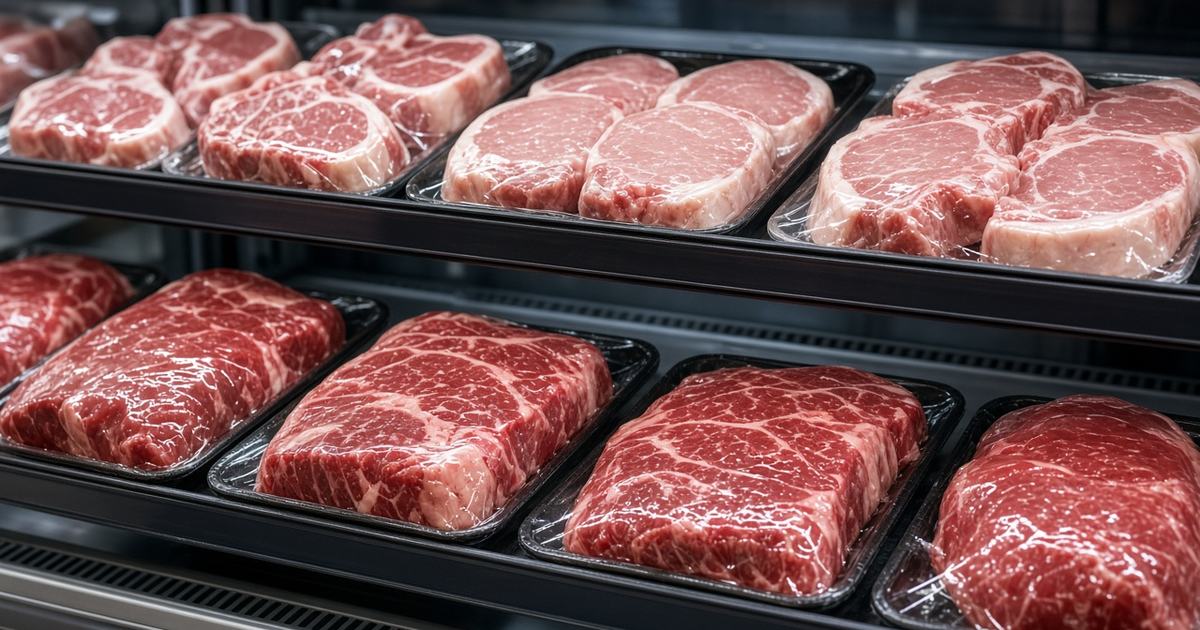
Mandatory country-of-origin labels on beef and pork ended on Dec. 18, 2015, when the president signed the Consolidated Appropriations Act, 2016. Section 759 of the omnibus spending law repealed the country-of-origin labeling (COOL) requirements for those meats, and the U.S. Department of Agriculture said it would stop enforcing them immediately.
Why Congress acted
The labels said where animals were born, raised and slaughtered. The World Trade Organization had ruled against the rule, and on Dec. 7, 2015, it said Canada and Mexico could impose more than $1 billion in retaliatory tariffs on U.S. goods. Congress added the repeal to the $1.1 trillion spending package released Dec. 16.
What stayed and what changed
- USDA stopped enforcing COOL for muscle cuts and ground beef and pork under its 2009 and 2013 rules.
- COOL stayed in effect for chicken, lamb, goat, fish and shellfish, fresh and frozen fruits and vegetables, and some nuts and ginseng.
- Imported beef and pork in consumer-ready packages still had to show the foreign country of origin under Food Safety and Inspection Service rules, and companies could still make truthful voluntary origin claims.
Reaction
Supporters said the repeal avoided costly retaliation; Sen. Pat Roberts, R-Kan., had argued that “retaliation is imminent.” Rancher group R-CALF USA called the move “underhanded,” and Sen. Jon Tester, D-Mont., said producers “should be able to proudly label their product as made in the USA.” NPR reported that cattle producers were divided. Montana groups called for a voluntary label showing meat born, raised and harvested in the USA.
Source & credit
Sources: USDA: statement from Agriculture Secretary Tom Vilsack, Dec. 18, 2015; USDA AMS: COOL beef and pork repeal FAQs; Congress.gov: H.R. 2029, Consolidated Appropriations Act, 2016; Great Falls Tribune: “Congress to repeal meat-labeling rule in spending bill”, Dec. 16, 2015; NPR: “Was That Steak Raised In The USA? Soon, It’ll Be Hard To Know”, Dec. 17, 2015.