

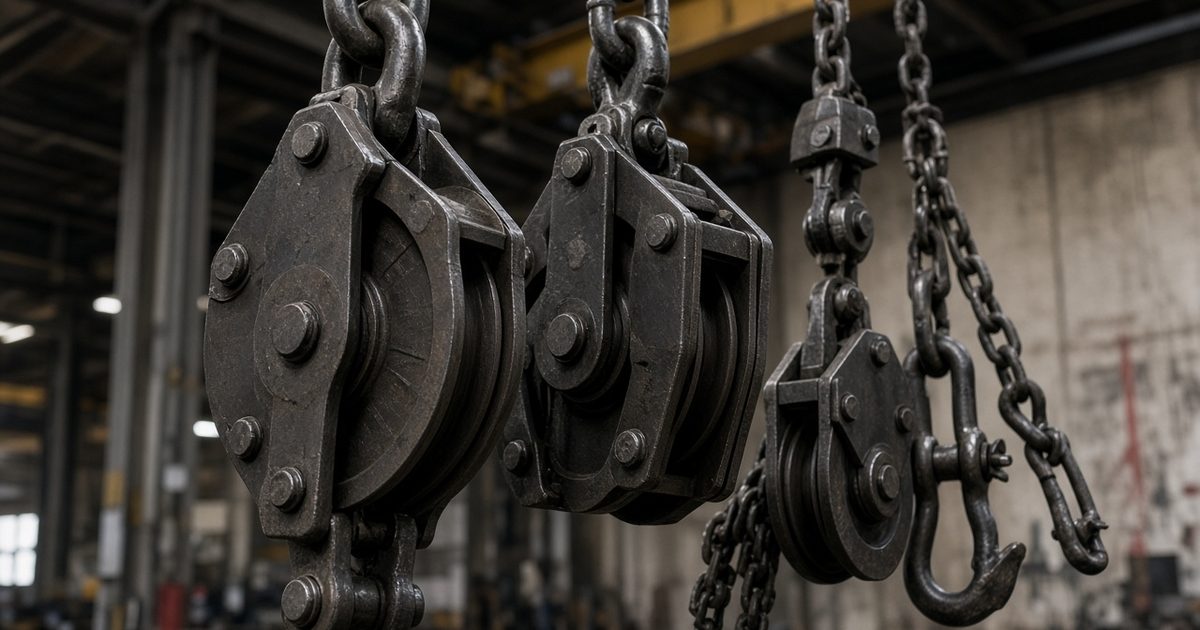
The Federal Trade Commission announced a proposed consent order with Block Division, Inc., a Texas-based seller of pulley block systems, on March 8, 2017, over claims that its products were made in the USA.
What the FTC alleged
According to the FTC’s complaint, Block Division represented that its pulley blocks and other products were “Made in USA.”
The complaint said the products actually included significant imported parts. Among them were imported steel pulley plates that entered the USA from overseas already stamped “Made in USA.” The FTC charged that the company’s claims were false or misleading, or were not substantiated when made, in violation of Section 5(a) of the FTC Act.
What the order requires
Under the proposed order, Block Division may make an unqualified USA-origin claim only if three conditions are met:
- final assembly or processing happens in the USA
- all significant processing happens in the USA
- all or virtually all ingredients or components are made and sourced in the USA
Any qualified claim must clearly disclose, right next to the claim, how much foreign content or processing the product includes. The order also bars any country-of-origin claim the company cannot substantiate.
The order includes reporting and recordkeeping requirements and would end after 20 years. The FTC published it in the Federal Register on March 14, 2017, and accepted public comments through April 7, 2017.
The FTC later gained the power to seek civil penalties for these violations. See our coverage of the 2021 Made in USA Labeling Rule.
FAQ
What did Block Division sell?
Pulley block systems and related products.
What was the main problem?
The FTC said its pulleys used imported steel plates that arrived already stamped “Made in USA.”
Was there a fine?
No. The proposed order set conduct rules and did not include a money penalty.
Source & credit
Source: Federal Register: “Block Division, Inc.; Analysis of Proposed Consent Order To Aid Public Comment”, March 14, 2017.
Also: FTC complaint, March 8, 2017; ABC15: “Is it really ‘Made in the USA’?”.