
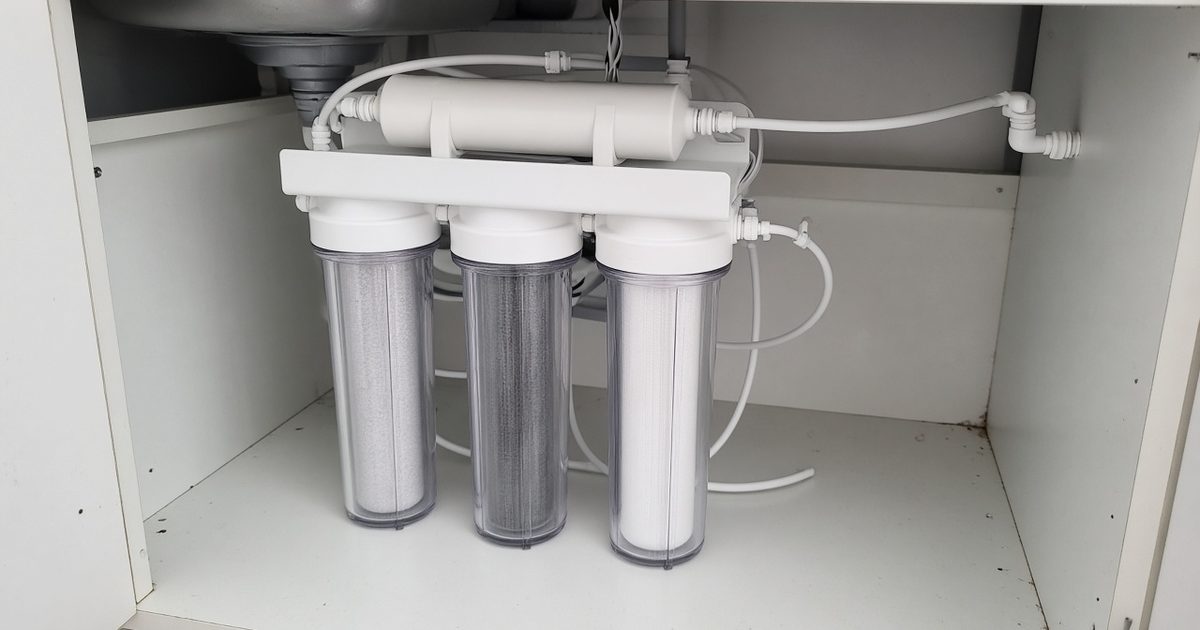
The Federal Trade Commission announced on April 12, 2019, that iSpring Water Systems LLC and two of its officers will pay a $110,000 civil penalty. The FTC said the Georgia-based water filter distributor broke a 2017 consent order by again marketing imported products as made in the USA.
What happened
- The 2017 order: In February 2017, iSpring agreed to an FTC consent order that barred misleading claims that its products are made in the USA.
- The violation: According to Commissioners Noah Phillips and Christine Wilson, iSpring began advertising some wholly imported products as made in the USA again in March 2018. Reed Smith’s summary said the ads described the imported systems as “made in USA” or “designed and crafted in USA.”
- The case: Because iSpring violated an administrative order, the FTC filed a civil penalty complaint in federal district court against the company and its officers, John Chen and Pearl Cai.
Settlement terms
- A $110,000 civil penalty, owed jointly by iSpring, Chen and Cai.
- An admission that the complaint’s allegations are true.
- A ban on unsupported origin claims for any product.
- Notice to every customer who bought the products that the FTC sued the company over its USA-made claims.
Phillips and Wilson supported the order. In a joint statement, they said they were concerned that combining an admission of liability with consumer notice could penalize the defendants, who had no lawyer during the talks, more than needed.
The case shows the main way the FTC could get money in Made in USA cases at the time: a company had to break an existing order first. The agency later adopted a rule allowing penalties for first-time violations, covered in our July 2021 post.
FAQ
How much did iSpring pay?
A $110,000 civil penalty, owed jointly by the company and officers John Chen and Pearl Cai.
Why could the FTC seek a penalty?
iSpring broke a 2017 FTC consent order on Made in USA claims. A violation of an existing order can bring civil penalties.
Did iSpring admit wrongdoing?
Yes. The defendants admitted the complaint’s allegations were true.
Source & credit
Source: FTC, April 12, 2019: Proposed stipulated order and joint statement of Commissioners Phillips and Wilson.
Also: Reed Smith via Mondaq: “iSpring Water Settles Case With FTC For Made In The USA Claims”.