
House and Senate negotiators kept most of the Pentagon’s domestic sourcing preferences in the fiscal 2018 National Defense Authorization Act. The conference report for H.R. 2810, released Nov. 9, 2017, walked back a Senate provision that would have repealed them.
What was at stake
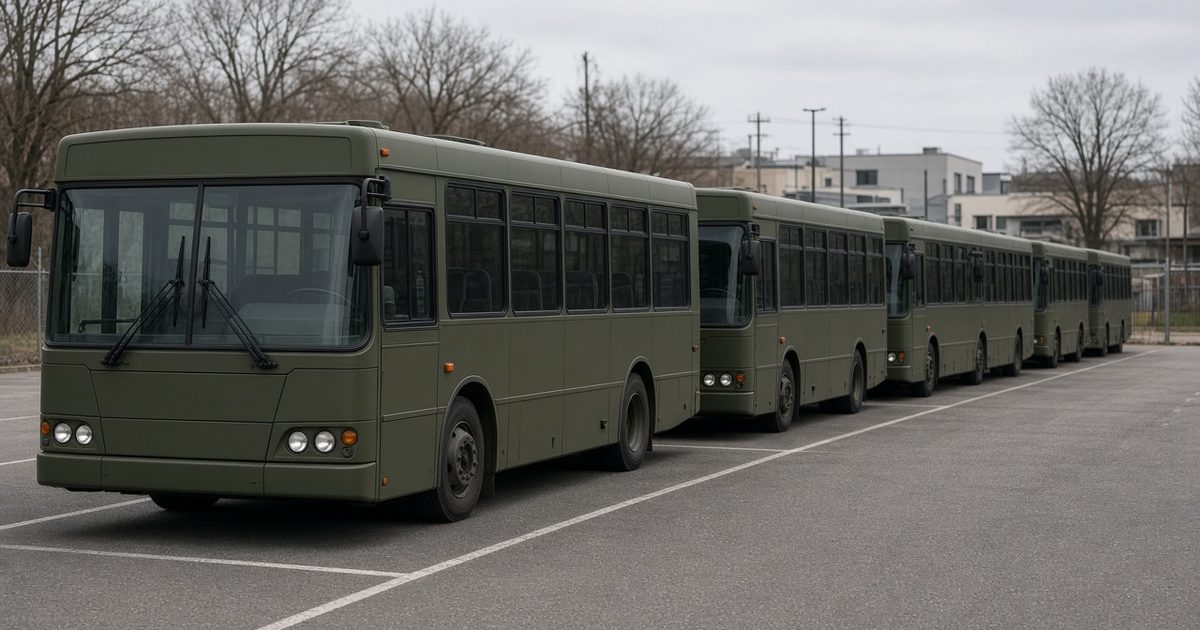
Under 10 U.S.C. § 2534, the Defense Department applies domestic preferences to certain items, including passenger buses, chemical weapons antidotes, some naval vessel components and photovoltaic devices. Some of these preferences extend to countries in the National Technology and Industrial Base.
Section 863 of the Senate bill, written by the Armed Services Committee that John McCain chaired, would have ended these preferences. Senate Democrats, including Sen. Tammy Baldwin of Wisconsin, pushed to strip the provision. The Washington Post reported that the fight put the Trump administration’s Buy American push at odds with McCain.
The compromise
- Section 813 of the conference bill keeps the preferences, except for chemical weapons antidotes and photovoltaic devices.
- Conferees also dropped a House provision, Section 862, that would have required certain auxiliary ship components to come from a manufacturer in the National Technology and Industrial Base.
“When American taxpayer money is spent on our military it should be spent buying American products built by our workers,” Baldwin said.
For a later NDAA sourcing fight, see our coverage of the FY2020 bill and USA-made flatware.
FAQ
Which preferences survived?
Those under 10 U.S.C. § 2534 for items such as passenger buses and certain naval vessel components.
Which were dropped?
Preferences for chemical weapons antidotes and photovoltaic devices.
Who pushed to repeal them?
Section 863 of the Senate bill, from the Armed Services Committee chaired by John McCain.
Source & credit
Source: Covington & Burling, Inside Government Contracts: “Senate Democrats Notch a ‘Buy American’ Victory”, Nov. 17, 2017.
Also: The Washington Post via Stars and Stripes: “Trump, Democrats vie with McCain on whether Pentagon should ‘Buy American’”.